At my first CyberMarketingCon in Austin last week, Nathan Burke of 7AI put 12 fictional cybersecurity homepages on screen. Each made some version of the same promise about agentic AI in the security operations center. I could tell what category the companies belonged to. I would have struggled to tell a buyer why they should choose one over another.
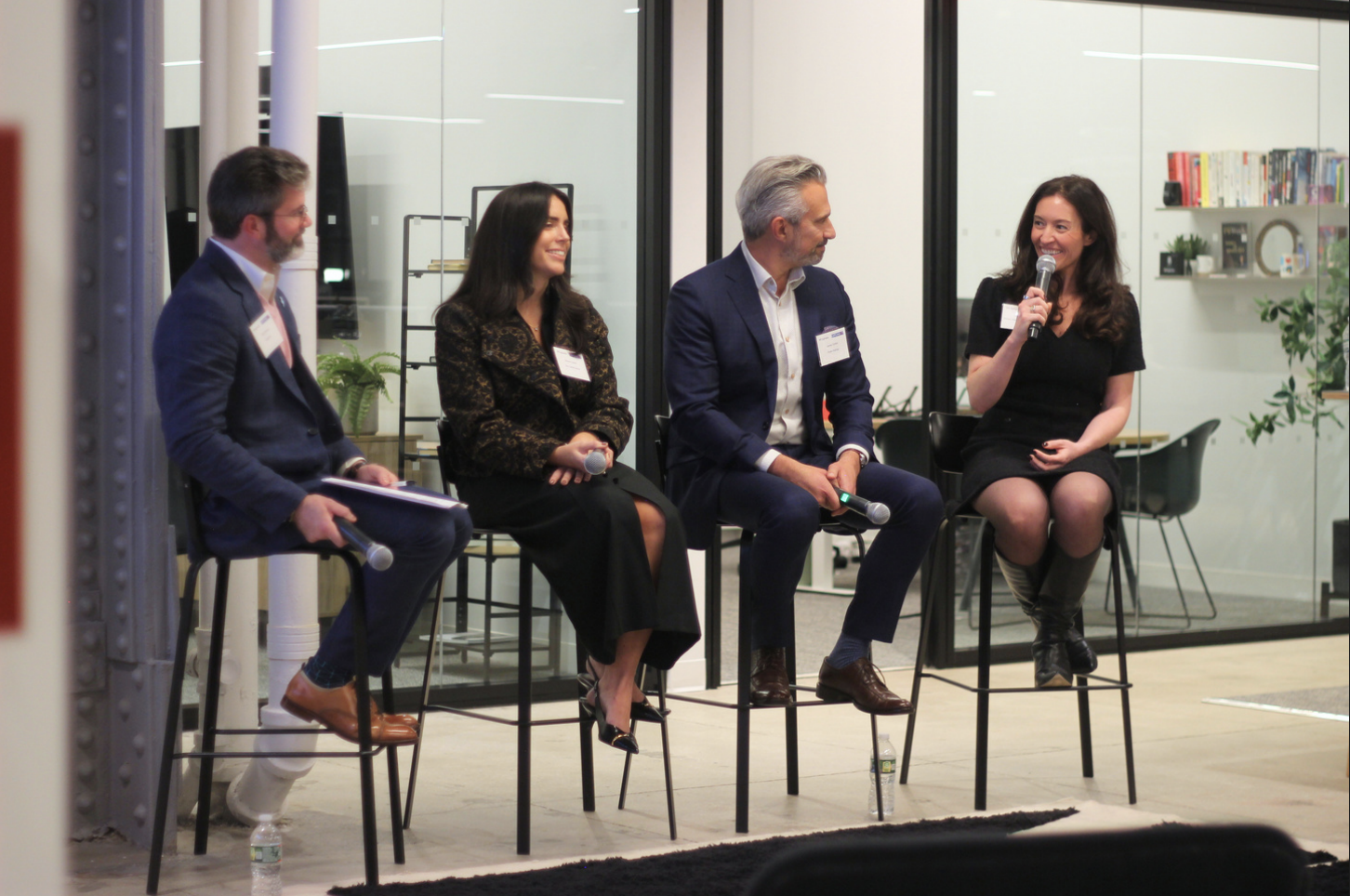
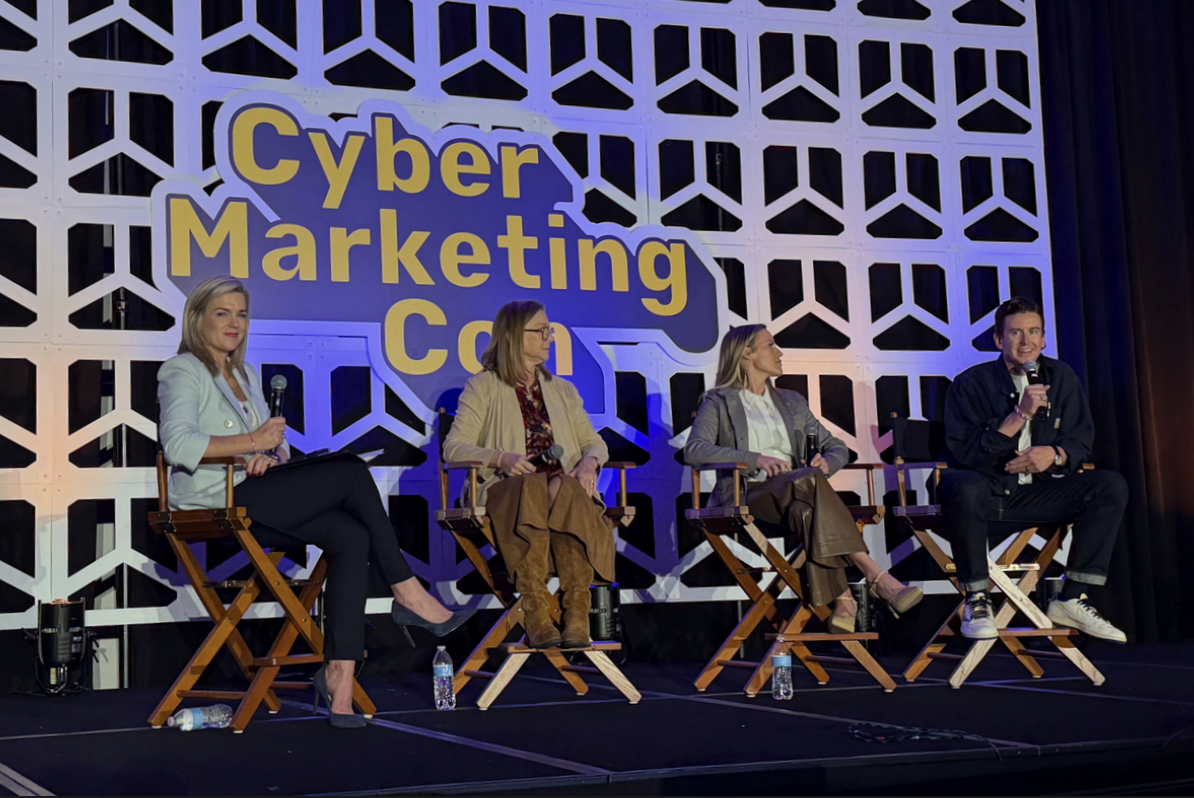
Those 12 lookalike homepages captured the question Highwire brought to Austin: Why do so many cybersecurity brands sound the same? On Highwire’s panel, our managing director of technology, Christine Elswick, put that question to three cybersecurity marketing leaders. Deb Wolf, CMO of Dataminr, described a pressure that comes with every new technology wave. Once competitors start using a term, marketing teams feel pressure to adopt it too, just to signal they’re keeping up. Don Jeter, now at Abnormal AI, shared how his former team at Torq challenged its own category with the “SOAR is dead” campaign. Jessica Ray, CMO of DTEX, described how the company’s early focus on the DPRK IT worker threat helped its researchers become a go-to source for reporters and boost brand awareness. What stuck with me was how early those decisions happen. By the time a team sits down to write a headline, it’s often already decided whose language to use and what it wants to be known for.
Here are three ideas I’m taking into 2027:
1. Give buyers something they can picture
In a keynote, Nathan Burke drew on psychologist Alan Paivio’s dual-coding theory to explain why concrete language is easier to remember. His homepage exercise made the point. Try picturing “next-generation protection.” Now picture a security analyst opening an alert and seeing which account was compromised, what it accessed, and where to look next. The second description gives a buyer enough detail to imagine using the product and to ask a better question about it.
That distinction matters as AI takes on more writing responsibilities. For Highwire’s 2026 report, The Weight of the Remit, we surveyed 45 senior marketing and communications leaders in cybersecurity. Seventy-eight percent identified content and copywriting as an area where AI is creating value. One of the most valuable contributions a marketer can make to that process comes before anyone starts drafting. Ask a researcher, customer or product lead to walk you through a real example.
The next time I see “agentic AI in the SOC” in a draft, I want to know three things. What did the agent do? Where did the analyst step in? What changed as a result? Somewhere in those answers is a sentence worth putting on the homepage.
2. A distinctive point of view starts with a decision inside the business
On Highwire’s panel, Deb Wolf, CMO of Dataminr, described the pressure to adopt the same terminology as competitors every time a new technology gains traction. Jessica Ray, CMO of DTEX, explained the appeal of sticking with familiar category language. Buyers recognize it and colleagues feel comfortable approving it. Don Jeter of Abnormal AI, formerly of Torq, put his finger on the harder part: Teams often have the creative idea. What takes courage is backing it.
Don shared Torq's origin story surrounding the “SOAR is dead” campaign. I can imagine the first internal review of that line. Anyone asked to approve it would want to know what Torq believed had stopped working, what should replace it, and whether the company could defend that position in front of a skeptical buyer. Those are business questions, and the answers determine whether the headline holds up.
Jessica offered a different example. DTEX recognized the significance of the DPRK IT worker threat early and focused its attention there. That decision helped make its experts a go-to source for reporters covering the issue and boosted overall brand awareness. It’s the example I’d bring into a planning meeting with a team that wants more visibility. Which questions are already coming to your researchers or customers that the rest of the industry is only beginning to ask?
3. Give the people closest to the work a voice
During a separate social media panel, Danielle Schmidt, director of social media at Everpure, said, “the future of LinkedIn is people.” It echoed a point from Highwire’s discussion about corporate feeds filled with white papers, webinar invitations and product updates. Often, the person who wrote the paper has something more interesting to say than the post promoting it.
Our research helps explain why that’s worth a marketer’s attention. When we asked leaders how they build reputation and trust, 58% pointed to customer advocacy and 56% to executive thought leadership. Both start with someone who can speak from experience. A customer can explain what finally persuaded their team to change a process. An executive can describe a difficult call, including what they weighed and what they learned. Those details give people a reason to respond.
Danielle also spoke about partnering with communications teams on executive social strategy. One practical place to start is with a question an executive keeps hearing from customers. Help them answer it in their own words, then make time for them to join the discussion in the comments. The follow-up questions may tell you more about what buyers care about than the original post did.
What I’m taking into 2027
I keep coming back to those 12 homepages. Before the next messaging review, I’d put our headline next to three competitors’ headlines, cover the logos and ask the team which one a customer would recognize as ours. If we have to debate the answer, I’d go back to the customer who chose us, the researcher who spotted something early or the executive willing to explain a hard decision. That’s usually where the language gets more interesting, because that’s where the story becomes ours.
For more on how Highwire helps cybersecurity companies turn that expertise into stories buyers remember, meet the #HWCyberSquad.