Across the country, solar farm construction is increasingly met with public opposition, transmission lines are being rerouted, and utility-scale projects are being delayed because of community misinformation and misunderstanding. Communication leaders are critical in helping to build, maintain, and even repair trust as opposition to energy projects is at an all time high.
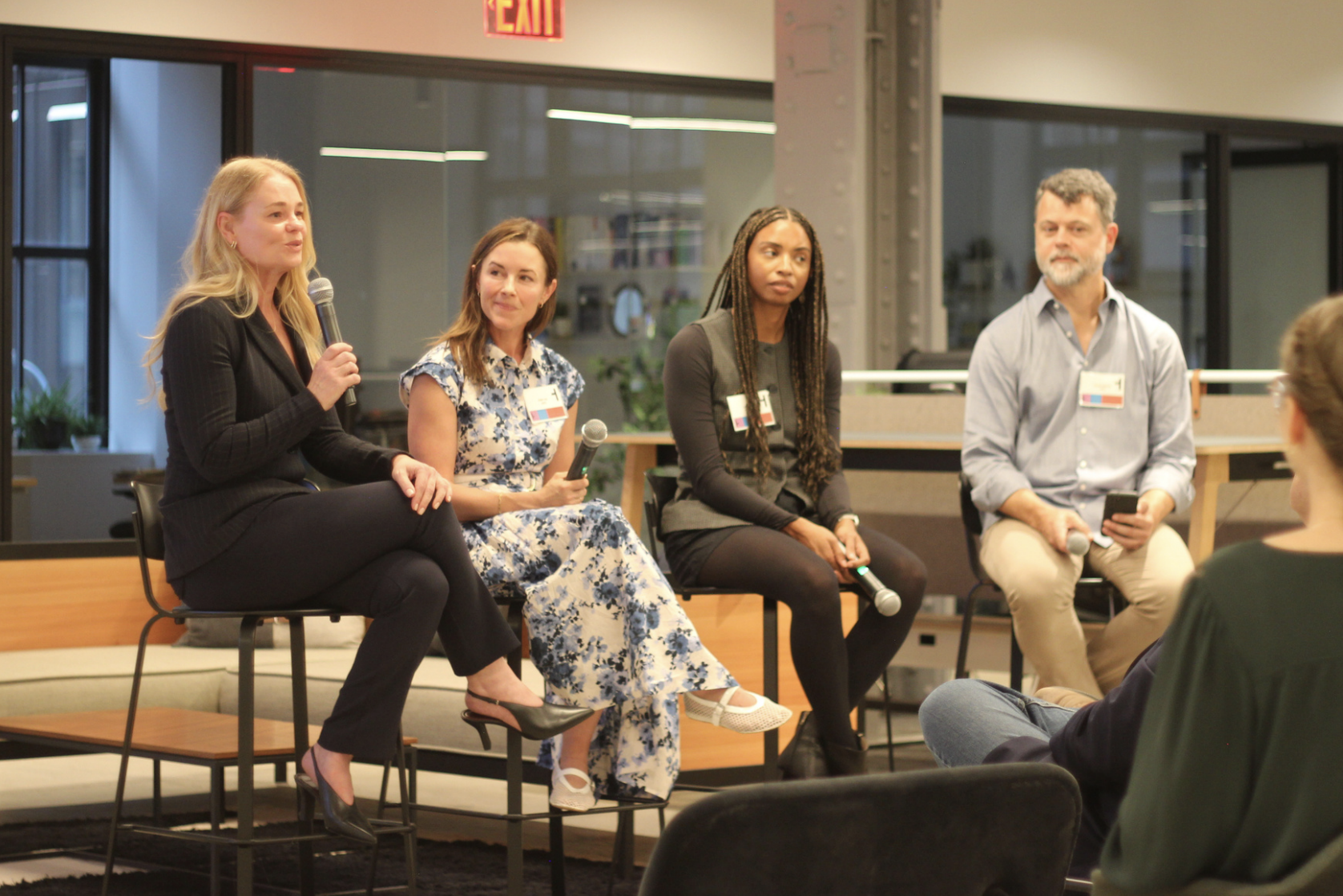
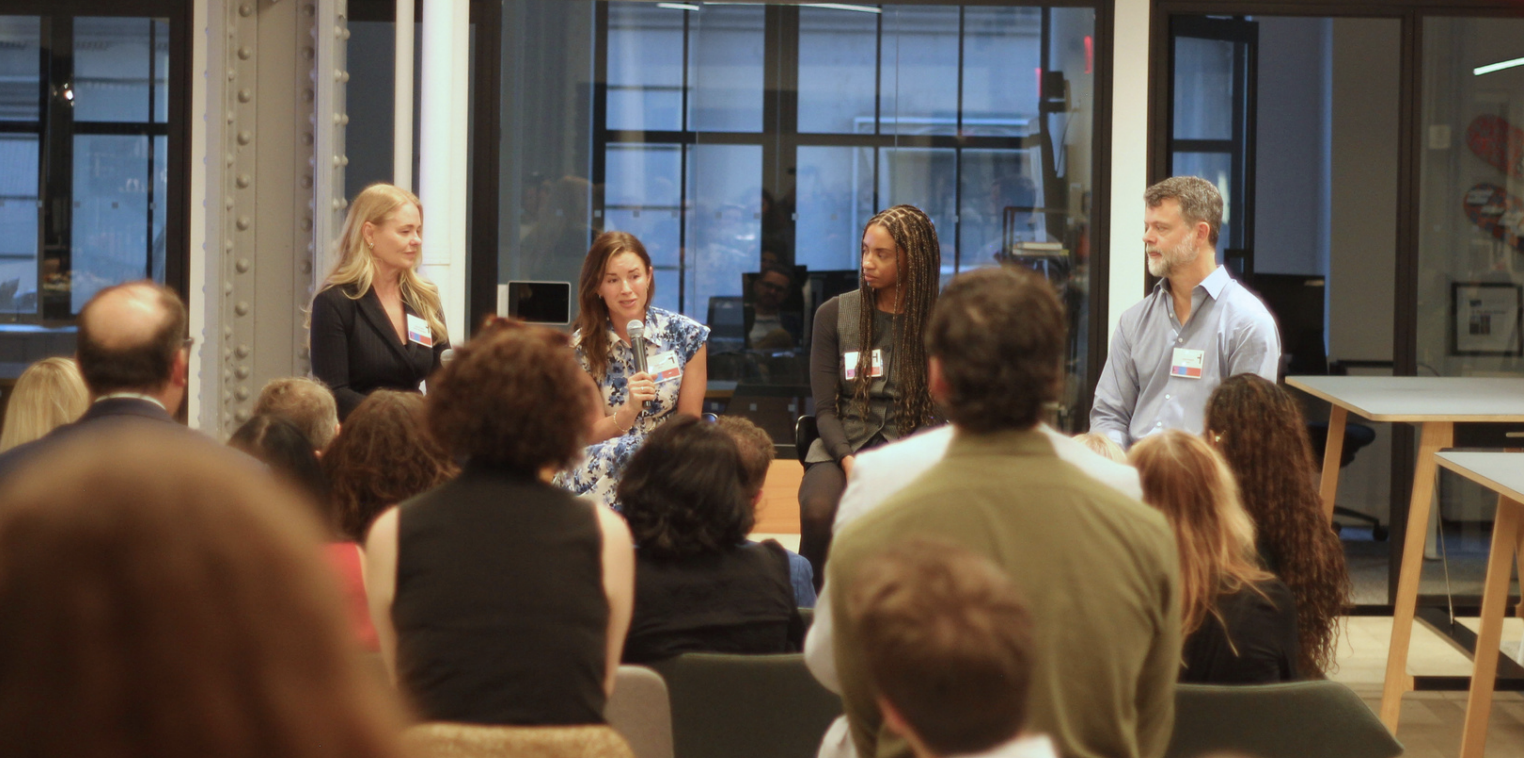
On September 23, Highwire brought together communication leaders Ashley Kang of Grid United, Katie Lau of AES, and Tammy Kramer of SHINE Technologies for a panel moderated by David Roberts, host of Volts, to discuss these issues and the importance of building trust in keeping critical energy projects moving forward. A full room at Highwire’s New York City office heard from these leaders working across interregional transmission, renewables and utilities, and fusion technology. At a time when NIMBYism is impacting energy projects, these leaders shared what they’ve done to create community trust and keep building the energy infrastructure the U.S. needs.
A big thank you to Ashley, Katie, Tammy and David for a candid, energizing conversation, and to everyone who joined us in New York. Below are takeaways from the panel’s comments.
.png?width=822&height=411&name=ClimateWeekEventEmail%20BannerInviteFollowUP%20(3).png)
A New Risk: AI Opposition Is Spreading to the Grid
The panelists discussed how community concerns around AI and data centers are starting to impede to all electrical infrastructure, including transmission, batteries and solar. In some cases, a grid line may actually strengthen reliability in some of the most transmission-constrained regions in the country – but unfounded concerns that it will power an AI data center turn community opinion against it. Misinformation is a very real threat to the development of energy projects.
So, how are energy leaders responding? Here are six takeaways from the evening.
1. Start with the Community, Not the Regulators: Flip the traditional development model. Kang shared how Grid United builds support for miles-long transmission lines by knocking on doors, asking for permission to survey backyards, and making route adjustments based on feedback. With that groundwork in place, an infrastructure project may be able to fast track federal permitting.
2. Humans Build Trust with Other Humans: The panel agreed that trust is the most valuable asset and it needs to be earned. For instance, rely on trusted local voices to push back on false narratives. Teachers and small business owners can be powerful messengers, too. Kramer noted how SHINE built its fusion facilities in a small Wisconsin town only after years of technology development and community engagement; they’ve invested half a billion dollars into the local community since their founding.
3. Lead with Transparency and Benefits: Project information is public and easy to find. The best approach is to be upfront from day one and lead with the concrete benefits to the community, like the boost for local restaurants and hotels from workers, and tax revenue that can fund community priorities. Lau mentioned the importance of a clear, fact-based website explaining how a project affects factors such as local energy bills. Honesty applies to hard topics, too, including how many construction jobs are being created vs. permanent jobs.
4. Listen First, and Stay Flexible: Communities existed long before a project arrived and will be there long after it's built. Kang encouraged developers to look and listen more than they talk. She went on to explain that flexibility and humility go a long way with landowners.
5. Be There Early and Often: Showing up consistently helps developers learn what a community actually needs. Perhaps tax benefits can go towards a new community sports center or other meaningful efforts. Remember that a community meeting can't replace the value of ongoing education and authentic community involvement.
6. Make the Complex Accessible: To the public, energy topics can be often perceived as “boring.” Lau shared that her family members’ eyes often glaze over when talking about energy; Kramer joked that the medical isotopes SHINE develops with fusion technology is curing cancer, a much easier story to tell. But that’s where storytellers and communicators need to dig into and make concepts meaningful and digestible. By streamlining the message, people are able to connect and latch onto the story, become more interested and want to learn more. The education, conversations, and understanding can go a long way towards fostering community connection.
Want to hear about future events or talk about how Highwire can help your organization build trust and momentum? Get in touch with our team.
.png)
.png)